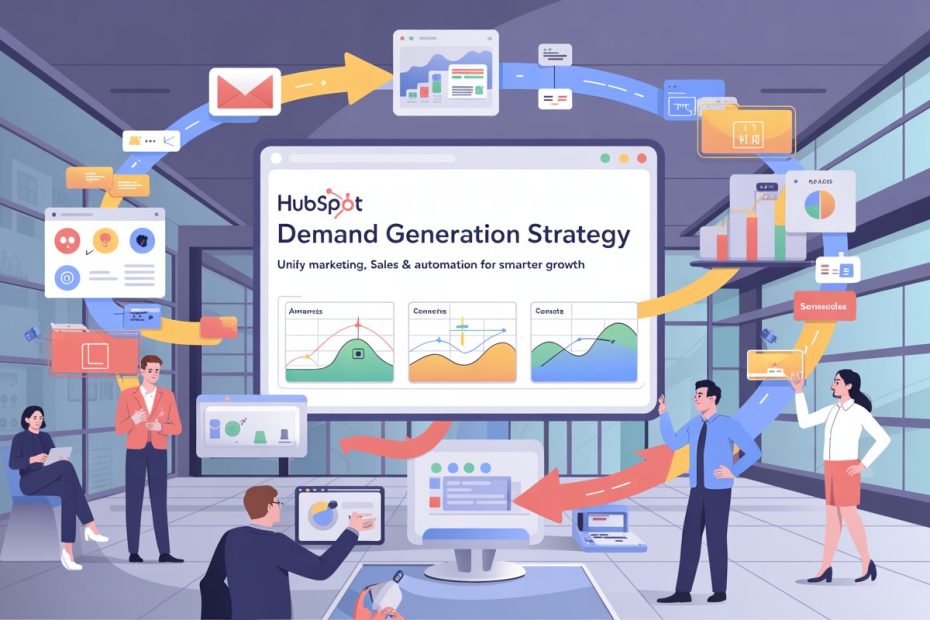
Demand generation is no longer about random campaigns or scattered outreach. It now needs structure, timing, and clear alignment between marketing and sales. A strong HubSpot demand generation strategy helps businesses bring all these elements together in one connected system. It allows teams to attract the right audience, nurture them with relevant content, and convert them into qualified leads without unnecessary friction.
HubSpot provides a unified platform where marketing automation, CRM, content tools, and analytics work together. This makes it easier for teams to understand customer behavior and respond with the right message at the right time. A well-planned HubSpot demand generation strategy does not just increase leads; it improves lead quality and shortens the sales cycle by guiding prospects through a smooth journey.
Businesses today face a challenge where attention spans are short and competition is high. Without a structured system, leads often get lost between marketing and sales teams. HubSpot solves this gap by creating a shared environment where data, communication, and workflows stay aligned. This alignment helps organizations build consistent engagement and stronger trust with their audience.
When used correctly, HubSpot becomes more than just a marketing tool. It acts as a growth engine that connects every stage of the customer journey, from first interaction to final conversion. This is why many growing companies rely on a HubSpot demand generation strategy to improve efficiency and drive predictable results.
Building a Strong Foundation for Demand Generation
A successful demand generation system starts with clarity on audience, messaging, and goals. HubSpot helps structure these elements in a simple and practical way. Instead of managing multiple disconnected tools, teams can use one platform to plan campaigns, track performance, and adjust strategies based on real-time data.
Aligning Marketing and Sales Teams
One of the strongest advantages of HubSpot is the alignment between marketing and sales teams. When both teams work on the same CRM system, there is less confusion and more accountability. Marketing can see which leads are converting, while sales can understand where those leads came from and what content they engaged with.
This alignment improves communication and reduces lead drop-offs. It also ensures that no opportunity is missed due to lack of information. As a result, businesses can improve conversion rates and build a more reliable pipeline.
A structured HubSpot demand generation strategy ensures that both teams follow the same data and workflows, making collaboration more effective and transparent.
Creating Targeted Content for Each Stage
Content plays a major role in demand generation. HubSpot allows businesses to create content for different stages of the buyer journey. Awareness-stage content helps attract new visitors, while consideration and decision-stage content helps move them closer to purchase.
With HubSpot’s tools, marketers can track which content performs best and refine their messaging accordingly. This reduces guesswork and improves engagement rates over time.
Using HubSpot Automation to Drive Consistent Leads
Automation is one of the most powerful features of HubSpot. It allows businesses to send the right message at the right time without manual effort. This is especially useful for lead nurturing and follow-ups.
Smart Workflows for Lead Nurturing
HubSpot workflows help automate repetitive tasks like email sequences, lead scoring, and follow-up reminders. For example, when a user downloads a guide or fills out a form, HubSpot can automatically add them to a nurturing sequence.
These workflows ensure that leads are not ignored and receive consistent communication. Over time, this increases the chances of conversion.
A well-designed HubSpot demand generation strategy uses these workflows to maintain engagement without overwhelming the audience.
Better Lead Qualification with CRM Data
HubSpot CRM collects detailed data about user behavior. This includes website visits, email interactions, and content engagement. Based on this data, businesses can score leads and prioritize high-quality prospects.
This helps sales teams focus on leads that are more likely to convert, saving time and improving efficiency.
Improving Business Efficiency with HubSpot Integration
Integration is one of HubSpot’s strongest advantages. It connects marketing, sales, and customer service into one system, reducing data silos and improving decision-making.
Businesses can also explore structured implementation approaches to get better results. For example:
Centralized Data for Better Decisions
When all data is stored in one system, businesses can analyze performance more accurately. HubSpot dashboards provide real-time insights into campaigns, traffic sources, and conversion rates.
This helps teams adjust their strategy quickly instead of waiting for monthly reports. Better visibility leads to better decisions and improved results.
Seamless Sales and Marketing Handoff
One of the biggest challenges in many organizations is the handoff between marketing and sales. Leads often lose momentum during this stage. HubSpot solves this issue by automating lead transfer based on predefined conditions.
This ensures that sales teams receive qualified leads at the right time, improving overall conversion performance.
A strong HubSpot demand generation strategy ensures that this handoff is smooth and consistent.
Enhancing Customer Experience Through HubSpot
Customer experience plays a major role in demand generation success. When users feel understood and supported, they are more likely to convert and stay loyal.
Personalized Engagement Across Channels
HubSpot allows businesses to personalize communication based on user behavior. Emails, website content, and follow-ups can be tailored to match individual interests.
This creates a more relevant experience for users and increases engagement rates. Personalization also helps build trust, which is essential for long-term relationships.
To improve experience further, businesses often follow structured approaches like:
Continuous Improvement Through Analytics
HubSpot provides detailed analytics that help businesses understand what is working and what needs improvement. Teams can track conversion rates, email performance, and landing page effectiveness.
This data-driven approach ensures that strategies are always improving. Over time, this leads to stronger demand generation performance and better ROI.
A refined HubSpot demand generation strategy relies heavily on these insights to stay effective and relevant.
Best Practices for Long-Term Success
To get the most out of HubSpot, businesses need a structured approach. Random usage of tools will not deliver consistent results. Instead, teams should focus on planning, testing, and improving continuously.
Consistency in Campaign Execution
Consistency is key in demand generation. Regular campaigns, follow-ups, and content updates help maintain audience engagement. HubSpot makes it easier to schedule and manage these activities in one place.
Continuous Optimization of Workflows
Workflows should not remain static. They need regular updates based on performance data. Small improvements in timing, messaging, or segmentation can lead to better results.
You can also explore detailed guidelines here:
Tracking ROI and Performance
Measuring return on investment is essential. HubSpot’s reporting tools help businesses understand which campaigns generate the most value. This helps allocate budget more effectively and improve future strategies.A well-structured HubSpot demand generation strategy is not just about generating leads. It is about building a system where marketing, sales, and customer experience work together smoothly. With the right setup, businesses can create predictable growth and long-term success without unnecessary complexity.