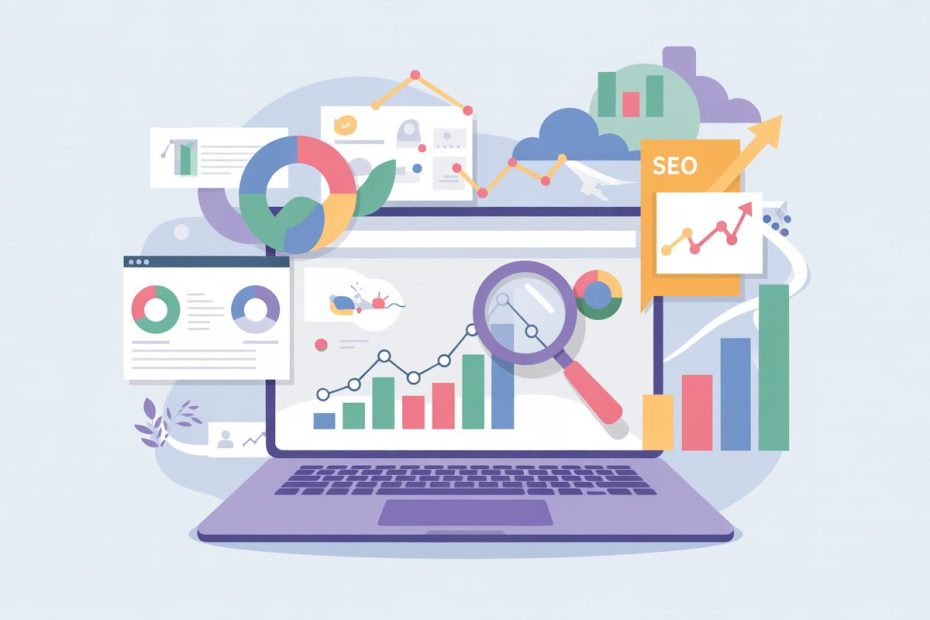
Search Engine Optimization (SEO) in digital marketing has become essential for businesses of all sizes. Without a strong SEO approach, even the most well-designed website can go unnoticed. SEO ensures that your content reaches the right audience, drives organic traffic, and improves your website’s visibility on search engines. For brands aiming to grow online, a focused SEO strategy is not optional—it is critical.
SEO doesn’t just attract visitors; it builds trust and authority. When users find your content easily through search engines, they see your business as reliable and knowledgeable. This trust often translates into higher engagement, repeat visits, and more conversions. By integrating SEO into your digital marketing efforts, you can create a sustainable online presence that continues to deliver results over time.
Why SEO is Crucial for Digital Marketing
SEO is not just about ranking higher on Google. It impacts every aspect of your digital marketing strategy. From content marketing to social media and email campaigns, SEO ensures that your efforts are aligned with what your audience is searching for. Without SEO, your marketing campaigns may not reach their full potential, resulting in wasted time and resources.
A strong SEO approach also supports long-term growth. Unlike paid ads that stop delivering once the budget ends, organic traffic driven by SEO continues to bring value. Additionally, optimizing for SEO can improve your website’s user experience, making it faster, easier to navigate, and more responsive on all devices. This enhances engagement and encourages visitors to spend more time exploring your offerings.
Role of SEO in Business Growth
Integrating SEO into your digital marketing strategy directly influences your business growth. By targeting relevant keywords, your content can reach users who are actively seeking products or services like yours. This targeted approach increases the likelihood of conversions, whether it’s a sale, a lead, or a subscription.
Moreover, a strong SEO foundation helps your brand stay competitive. Businesses that invest in search engine optimization consistently outperform competitors who neglect it. SEO allows you to rank higher, appear in local searches, and maintain visibility even as algorithms change. To understand more about how local SEO can boost your reach, check out this detailed guide.
SEO Strategies for Digital Success
Creating an effective SEO strategy is vital for sustaining growth. Start by researching keywords relevant to your industry. Focus on a mix of high-volume keywords and long-tail variations that match the search intent of your target audience. Implement these keywords naturally in your content, meta descriptions, headers, and URLs.
Link building is another crucial tactic. Earning backlinks from authoritative sites signals credibility to search engines. Internal linking also improves website navigation, making it easier for both users and search engines to discover your content. For a step-by-step approach to building a winning SEO plan, read this SEO Strategy guide.
How SEO Enhances User Experience
Good SEO goes hand-in-hand with user experience. Fast-loading pages, mobile-friendly design, and clear navigation all contribute to better rankings and happier visitors. When users find it easy to explore your website, they are more likely to stay longer, engage with content, and convert into customers.
Optimizing content also involves understanding user intent. By answering questions and providing solutions, you make your website a valuable resource. This not only satisfies search engine algorithms but also positions your brand as an authority in your niche.
SEO Best Practices for Marketing Campaigns
To get the most out of your digital marketing efforts, following SEO best practices is essential. These practices ensure your content reaches the right audience, improves visibility, and drives meaningful engagement. Here’s a deeper look at the key strategies:
1. Keyword Optimization
Keywords form the foundation of SEO in digital marketing. Identify primary and secondary keywords that your target audience is searching for and incorporate them naturally into your content. Focus on placing them in titles, headers, meta descriptions, and throughout the body text. Avoid keyword stuffing—search engines favor content that reads naturally while still including relevant terms. Using a mix of high-volume and long-tail keywords can help attract both broad and targeted traffic.
2. On-Page SEO
On-page SEO is about making each page of your website easy for search engines to understand. This includes optimizing meta titles, meta descriptions, header tags, URLs, and images. Use descriptive file names and alt text for images to improve accessibility and rankings. Structuring your content with clear headings and bullet points enhances readability for users and crawlers alike, which can boost your page performance in search results.
3. Content Quality
High-quality content is the backbone of any successful digital marketing campaign. Your content should be informative, original, and engaging, answering the questions your audience is actively searching for. Use a mix of text, images, and videos to make the content more engaging. Regularly updating old content also helps maintain relevance and improve rankings over time.
4. Technical SEO
Technical SEO ensures your website runs smoothly for both users and search engines. Fast-loading pages, secure connections (HTTPS), mobile-friendly design, and proper site architecture are critical. A well-structured website allows search engines to crawl and index your pages efficiently. Fixing broken links, creating XML sitemaps, and using schema markup can further enhance technical performance.
5. Local SEO
For businesses targeting nearby customers, local SEO is a must. Optimize your website for local search by including location-based keywords, creating location pages, and claiming your Google Business Profile. Encourage customer reviews and maintain consistent NAP (Name, Address, Phone) information across directories.
Applying SEO Best Practices Consistently
Consistency is key. By applying these practices across your website and marketing campaigns, you strengthen your online visibility, attract more qualified traffic, and improve conversions. SEO is not just a technical process—it’s a continuous strategy that supports every aspect of digital marketing, from content creation to customer engagement.
Measuring SEO Success
Tracking performance is essential to understand the impact of your SEO efforts. Use analytics tools to monitor website traffic, keyword rankings, user engagement, and conversion rates. By analyzing this data, you can adjust your strategy to focus on the areas delivering the highest return on investment.
Remember, SEO is a long-term investment. Success doesn’t happen overnight, but consistent optimization, quality content, and strategic planning can lead to sustainable growth and a stronger digital presence.