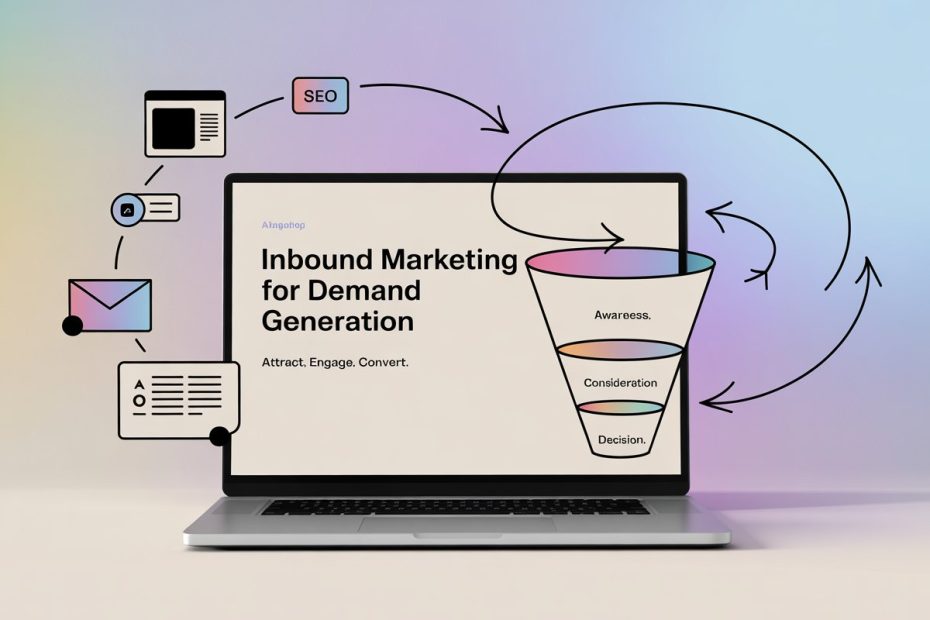
Every business wants steady demand, not random spikes. The problem is that many traditional methods still rely on pushing messages to people who are not ready to listen. This often leads to wasted budgets, low engagement, and poor-quality leads. That’s where a smarter, more customer-focused approach becomes important. Inbound marketing for demand generation focuses on attracting the right audience instead of chasing everyone. It helps brands build trust, answer real problems, and guide potential customers step by step. Instead of interrupting people, it brings them in naturally—and that shift is what makes it so powerful today.
What Is Inbound Marketing and Demand Generation?
Inbound marketing is a strategy that attracts people through helpful content, SEO, and meaningful experiences. Demand generation, on the other hand, is about creating awareness and interest in your product or service.
When combined, they create a system where:
- People find your brand through useful content
- They learn and build trust
- They move closer to becoming customers
This is why many companies now rely on inbound marketing strategy instead of cold outreach.
Why Inbound Marketing Works Better for Demand Generation
1. It Attracts the Right Audience
Unlike outbound marketing, inbound focuses on people who are already searching for solutions. With SEO and content marketing for demand generation, your business appears exactly when people need it.
This leads to:
- Better engagement
- Higher-quality leads
- Lower acquisition cost
2. Builds Trust Before Selling
People don’t like being sold immediately. They prefer to learn first. With blogs, guides, and case studies, inbound marketing helps build credibility.
For example, content like Inbound Marketing for Company Awareness helps users understand your brand before they even think about buying.
3. Supports the Full Customer Journey
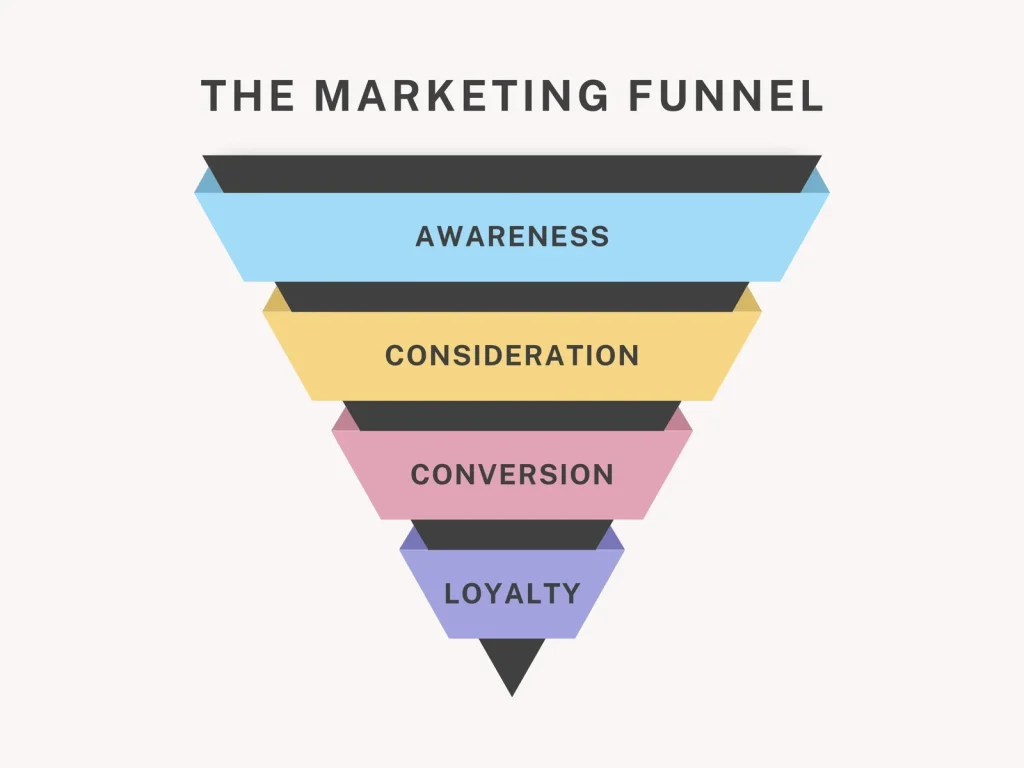
Inbound marketing is not just about traffic. It supports every stage:
- Awareness
- Consideration
- Decision
This makes inbound marketing for demand generation a long-term growth engine rather than a short-term tactic.
Inbound vs Outbound Marketing: Key Difference
Inbound Marketing
- Focuses on attracting users
- Uses SEO, blogs, and social content
- Builds long-term relationships
Outbound Marketing
- Pushes ads to a broad audience
- Includes cold calls, emails, and ads
- Often has lower engagement
This is why the shift from outbound to inbound marketing benefits businesses looking for sustainable demand.
How Inbound Marketing Drives Demand Generation
1. Content That Solves Real Problems
Good content answers real questions. Blogs, videos, and guides bring users to your site and keep them engaged.
You can also guide users with resources like Inbound Marketing to help them move deeper into your funnel.
2. SEO Brings Consistent Traffic
Search engine optimization ensures your content ranks for the right keywords. Over time, this builds organic traffic without ongoing ad spend.
This is a core part of inbound marketing strategy and one of the biggest reasons companies adopt it.
3. Lead Nurturing Converts Interest into Demand
Not every visitor converts right away. Inbound marketing uses:
- Email marketing
- Retargeting
- Personalized content
to keep users engaged until they are ready to act.
4. Data Helps You Improve
Inbound marketing tools provide clear insights:
- What content works
- Where users drop off
- What drives conversions
This allows continuous improvement in your demand generation strategies.
Benefits of Inbound Marketing for Demand Generation
Cost-Effective Growth
Inbound methods reduce reliance on paid ads and lower customer acquisition cost over time.
Better Lead Quality
Since users come with intent, leads are more likely to convert.
Strong Brand Authority
Consistent content builds your brand as a trusted source in your niche.
Scalable Strategy
Once your content ranks, it continues to bring traffic without extra cost.
Demand Generation vs Lead Generation
Many people confuse these two, but they are not the same.
- Demand generation marketing creates awareness and interest
- Lead generation captures user information
Inbound marketing connects both:
It first builds demand, then converts that demand into leads.
Final Thoughts
The shift toward inbound marketing is not just a trend—it reflects how people make decisions now. Buyers prefer to research, compare, and learn before making a choice. Businesses that support this behavior see better results over time.
Inbound marketing for demand generation helps you meet your audience where they are, guide them with useful content, and turn interest into action. Instead of chasing customers, you create a system where they come to you—and that makes all the difference.