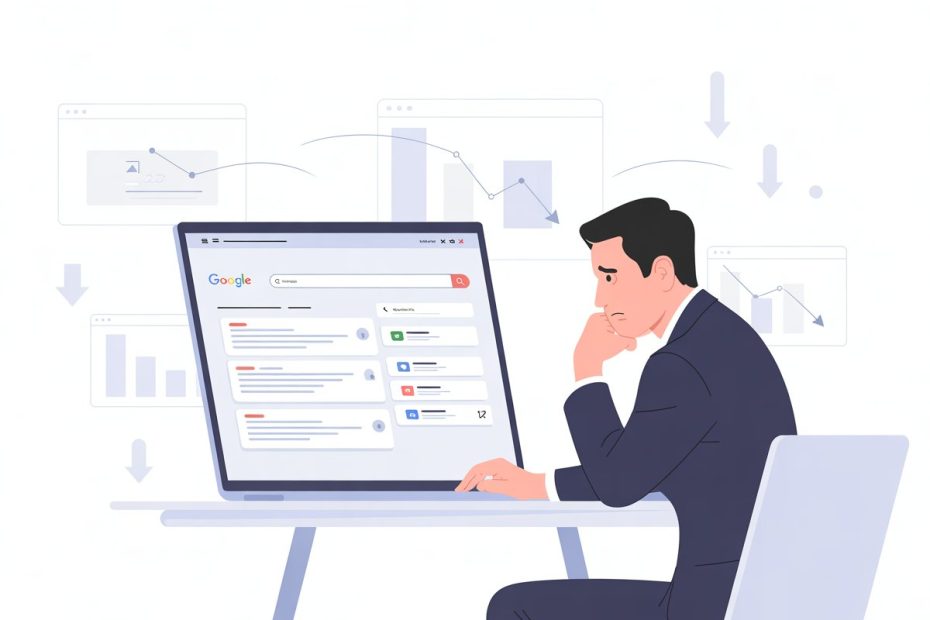
Search behavior has changed more than most businesses realize. Many users now get answers directly on Google without clicking any website. This shift is quietly reducing traffic for many brands, even when rankings stay strong. The zero click search impact on businesses is no longer a future concern. It is already shaping how people find information, compare services, and make decisions online.
For businesses that rely on organic traffic, this change can feel confusing. Pages rank well, impressions rise, yet clicks go down. This does not mean SEO is failing. It means search results have evolved. Understanding how zero click searches work and how they affect visibility is now essential for brands that want steady growth and long-term trust.
Search engines aim to answer user questions as fast as possible. That goal affects how results are shown and how users interact with them. To stay competitive, businesses must adjust their SEO approach and focus on visibility, authority, and value beyond simple clicks.
What Is Zero Click Search?
Meaning and basic concept
Zero click search happens when a user gets the answer directly on the search results page. This means they do not click on any website link. The answer may appear as a featured snippet, a knowledge panel, or a quick response box.
These searches are common for simple questions. Examples include time zones, definitions, calculations, weather, or quick facts. Google pulls this data from trusted sources and shows it upfront.
Common zero click search examples
Some common formats show how this works:
- Featured snippets with short answers
- People Also Ask sections
- Knowledge panels for brands or people
- Maps and local listings
- Calculator and conversion boxes
These formats reduce the need for users to visit a site, even when that site provides the data.
Why Zero Click Searches Are Increasing
Google’s focus on user intent
Google aims to give users fast and clear answers. When search intent is simple, Google shows the solution right away. This improves user experience but changes how traffic flows to websites.
Rise of mobile and voice search
Mobile users want quick results without scrolling. Voice search also relies on short, clear answers. Both trends increase zero click searches in SEO and make short-form answers more visible.
How Zero Click Search Affects SEO Performance
Drop in organic website traffic
The most direct effect is fewer clicks. Even top-ranking pages may lose visits if Google shows the answer first. This is a major part of how zero click search affects SEO for many industries.
Higher impressions but fewer visits
Many businesses notice growing impressions in Search Console while clicks decline. This can feel frustrating, but it shows that visibility still exists. The challenge is turning that visibility into brand trust and action.
The Real Zero Click Search Impact on Businesses
Reduced lead opportunities
Fewer clicks can mean fewer form fills, calls, or sign-ups. For service-based businesses, this can directly affect revenue if no changes are made.
Stronger focus on brand authority
Even without clicks, users see brand names in snippets and panels. This improves awareness and credibility. Over time, this can influence buying decisions when users are ready to act.
Shift in how success is measured
Traffic alone is no longer the best success signal. Brand searches, engagement, and assisted conversions now matter more than before.
Role of SERP Features in Zero Click Searches
Featured snippets and People Also Ask
Featured snippets pull short answers from pages that Google trusts. People Also Ask boxes expand with related questions, keeping users on the results page longer.
Knowledge panels and local results
Knowledge panels show brand details, reviews, and contact info. Local packs often give directions, hours, and phone numbers without requiring a website visit.
These SERP features and zero click search formats shape how users interact with search results.
How Businesses Can Adapt to Zero Click Searches
Optimize for visibility, not just clicks
Being visible on the search page matters. Clear brand names, accurate data, and structured content help improve trust and recall.
Write content that answers and expands
Provide short answers early, then add depth. This improves chances of appearing in snippets while still encouraging users to click for details.
Focus on branded searches
When users search for your brand directly, zero click results matter less. Strong branding reduces reliance on generic search traffic.
Smart SEO Strategies for Zero Click Search
Use structured data and clear formatting
Schema markup helps search engines understand content. Lists, tables, and clear headings improve chances of appearing in featured sections.
Target deeper search intent
Instead of only basic questions, focus on comparison, process, and decision-based keywords. These often require longer explanations and drive clicks.
Improve on-page experience
Fast loading, simple language, and helpful visuals keep users engaged when they do click. This improves trust and conversion rates.
Measuring Success Beyond Clicks
Track brand visibility and engagement
Monitor impressions, branded queries, and assisted conversions. These metrics show how visibility supports long-term growth.
Align SEO with business goals
SEO should support awareness, trust, and conversions. When aligned with content and brand strategy, zero click search optimization becomes an advantage instead of a threat.
Final Thoughts
Zero click searches are not removing the value of SEO. They are changing how value is created. Businesses that adapt early can gain strong visibility, trust, and authority even with fewer clicks. By focusing on helpful content, clear branding, and user intent, the zero click search impact on businesses can become a growth opportunity rather than a loss.
If your SEO strategy still focuses only on traffic numbers, it may be time to adjust. Search success now depends on presence, relevance, and long-term brand value.